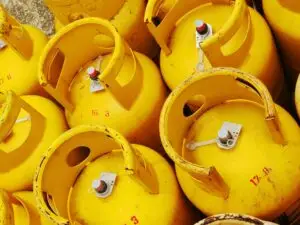
What Falls Under DSEAR That People Often Overlook?
When discussing hazardous area compliance in regards to DSEAR, most people focus on obvious flammable substances—petrol, solvents, LPG. However, DSEAR applies much more broadly, and

When discussing hazardous area compliance in regards to DSEAR, most people focus on obvious flammable substances—petrol, solvents, LPG. However, DSEAR applies much more broadly, and
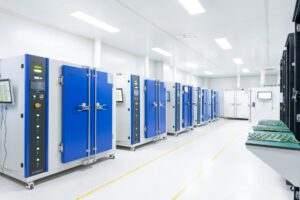
Introduction Lead acid batteries are used across all sorts of critical systems—telecoms, data centres, UPS rooms, transport networks—because they provide reliable backup power. But as
Introduction As heat pump technologies evolve, they are increasingly installed in various settings such as hospitalenergy centres, plant rooms, factories, industrial complexes, office buildings, and

NOTE – This applies to all facilities that store chemicals and flammables, not just Laboratories We were recently engaged by a large, long established museum
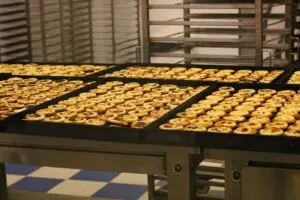
Many bakery operations involve handling flour, sugar, and other fine powders—materials that can present a serious explosion risk when suspended in the air under certain

When people hear the term DSEAR Assessment, it can sound technical and a little daunting. In this blog we wanted to answer the question, What

Many people get confused between DSEAR and ATEX, and it’s easy to see why — they’re closely linked but serve different purposes. DSEAR, which stands

A common question we’re asked is how often a DSEAR Assessment is required. The short answer is that you need one as soon as your

What Happens After Your Assessment? Whether it’s a DSEAR, occupational hygiene, fire, or legionella assessment, receiving your report is only the beginning of the compliance
In our latest blog post we wanted to outline exactly ‘what is a DSEAR Zone?’ In the next few minutes we aim to give you